
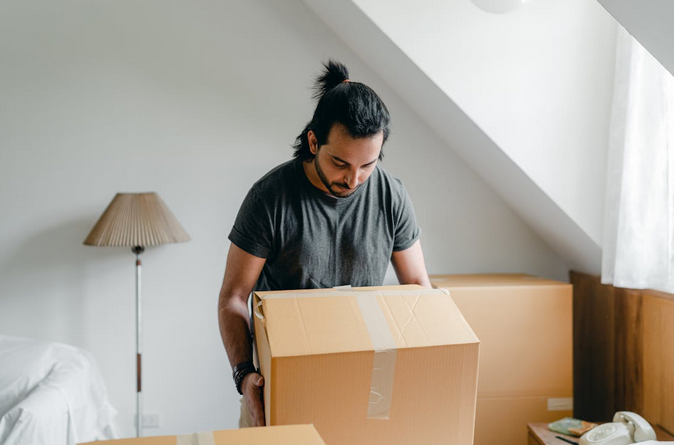
Unpacking after a move can feel overwhelming. Rooms are filled with boxes, and the search for essentials becomes frustrating. Clear labeling makes the process manageable. It saves time, prevents confusion, and helps movers place boxes in the right rooms. With simple preparation, you can turn a stressful task into an organized transition.
Start With Room Categories
The easiest way to begin labeling is by marking each box with the room it belongs to. This is exactly what Ealing man and vans would do. Kitchen, bedroom, or bathroom labels guide movers directly to the right spot. This method reduces the number of misplaced boxes and speeds up unpacking. A clear system also ensures you won’t be opening random boxes in the wrong rooms. A little organization now saves you hours later.
Add Descriptions of Contents
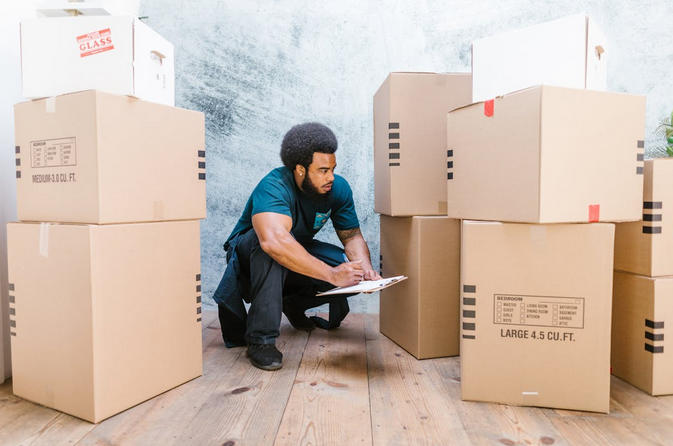
Room names are helpful, but they don’t tell the full story. A box labeled “Kitchen” could contain anything from pots to dry food. Adding a short description provides clarity. Write “Kitchen: Pots and Pans” or “Bedroom: Winter Clothes.” These small details make a big difference when you’re searching for specific items. It creates a unique roadmap for unpacking and keeps frustration at bay.
Use Color Coding
Color adds another layer of efficiency. Assign a color to each room by using tape, markers, or stickers. For example, blue for the kitchen, green for the living room, and yellow for the bathroom. Movers can quickly identify where each box belongs without needing to read every label. This approach is especially helpful if you have a large household with many boxes. Visual cues make sorting faster and more accurate.
Number Your Boxes
Numbering boxes provides both control and security. Create a master list that records each number and its contents. For example, Box 1: Kitchen: Glassware. Box 2: Living Room: Books. This system helps track everything and ensures nothing goes missing during the move. If a box is misplaced, you’ll know exactly what’s missing. Numbering adds an organized layer to your unpacking plan and makes it easier to prioritize which boxes to open first.
Mark Priority Boxes
Some items are needed right away after a move, like toiletries, bed sheets, or kitchen essentials. Label these boxes as “Open First” or “Priority.” Marking them clearly helps you access vital items without digging through dozens of boxes. This step reduces stress during the first night in your new home. It ensures comfort and functionality while the rest of the unpacking continues at a steady pace.
Highlight Fragile Items
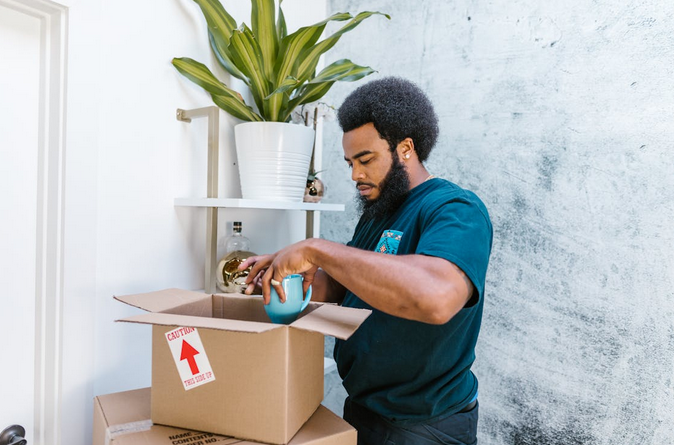
Fragile items need extra care, and labeling helps prevent accidents. Mark boxes with “Fragile” in large, bold letters. Use bright tape or symbols to make them stand out. If something requires upright positioning, add arrows to show how the box should be handled. These simple steps ensure movers treat delicate belongings with the utmost caution. You’ll feel more at ease knowing your valuables are clearly identified.
Keep Supplies Handy During Packing
Labeling works best when you have the right tools ready. Keep markers, tape, and stickers within reach while packing. Waiting until later to label boxes often leads to mistakes or forgotten details. Label each box immediately after sealing it. This habit keeps everything consistent and prevents confusion later. Simple preparation ensures a smooth workflow and accurate labeling throughout the move.
Labeling boxes may seem like a small step, but it makes unpacking significantly easier. Starting with room categories, adding descriptions, using colors, and marking fragile items all contribute to a well-organized move. Numbering boxes and identifying priorities further streamlines the process. With the right supplies on hand, you can label effectively from start to finish. By preparing with care and attention, you’ll create a moving system that saves time and reduces stress. Unpacking will no longer feel overwhelming but instead become a manageable and even efficient experience.